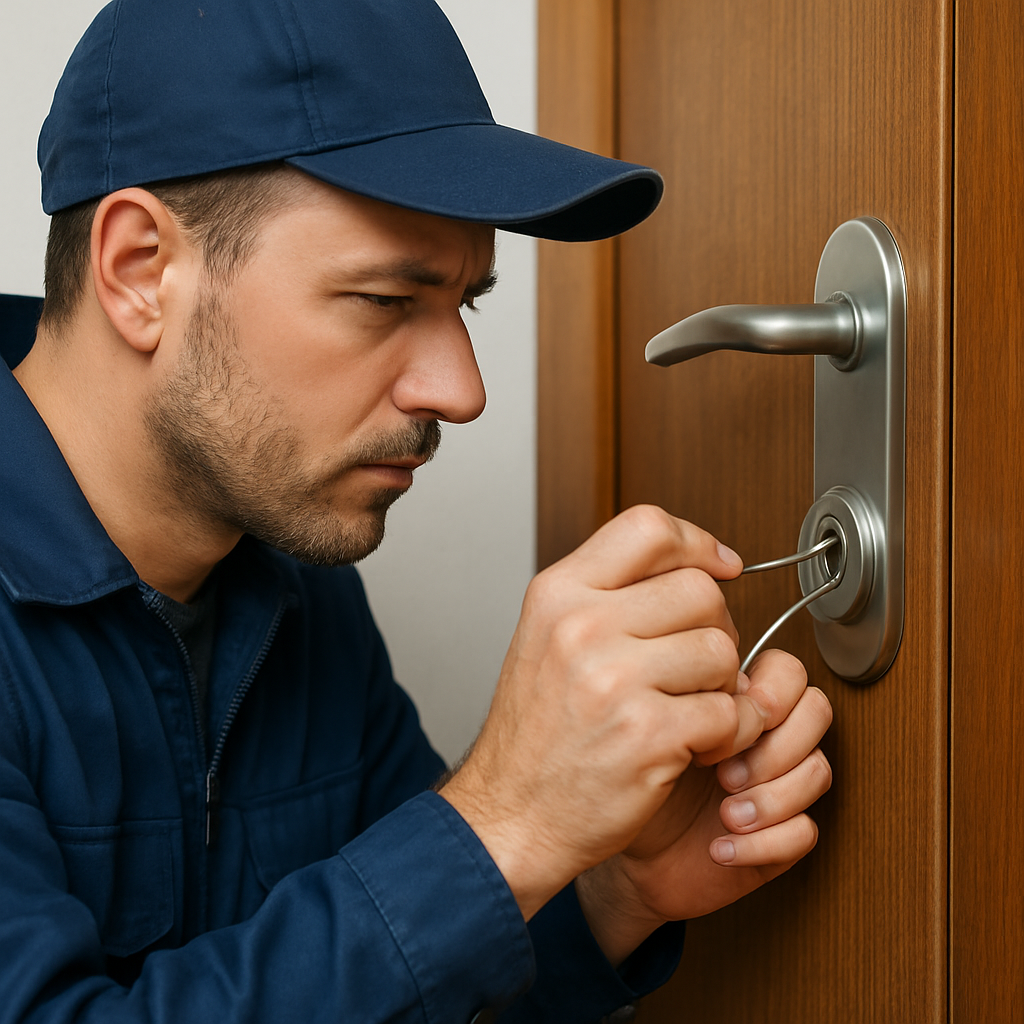
If you manage a retail shop, office tower, or small warehouse in Orlando and you face a high-security lockout, this piece is written https://carkeyccoc478.bearsfanteamshop.com/professional-locksmith-near-me-for-business-emergency-lock-rekey for your immediate needs. My background includes hundreds of emergency responses to office and retail lockouts, and I describe realistic timelines and trade-offs below. You will find concrete examples, estimates, and decisions that teams make on site, with attention to minimizing downtime and preserving evidence.
How to define a high-security lockout for commercial properties.
High-security locks are designed to resist common attacks and require special tools or authorization to service. Business systems tend to layer security, which protects assets but also lengthens the time and skill needed for safe entry. In practice this means the locksmith will ask for proof of ownership and may need to source a replacement cylinder from a manufacturer or authorized dealer.
First call: what to say and what to have ready.
If you call a 24 hour locksmith, give clear location details, the building type, and whether people are trapped inside or if sensitive assets are at risk. If you cannot produce proof immediately the locksmith may still attend but will limit actions until authorization is confirmed, which is a legal and ethical boundary. If it is a mechanical seize or an electronic glitch, the locksmith will prioritize non-destructive entry methods and on-site diagnostics.
What a skilled Orlando locksmith brings to a commercial job.
In my experience the best crews also bring portable power, a selection of temporary hardware, and a method for securing the door after entry. When a job requires drilling the lock, experienced techs isolate the cylinder to avoid damaging the door frame or electronic components. If a drill-out or full replacement is necessary, factor in additional labor for rekeying or reprogramming after parts arrive.
On-site decision points: repair, bypass, or replace.
The first decision is whether non-destructive entry is possible without voiding warranties or breaking key control rules. When you accept a temporary bypass, document the change and schedule the permanent fix to avoid security drift. Replacing a patented cylinder or an access control board usually restores compliance but can be costlier and require ordering through certified channels.
Estimates, typical costs, and timeframes for Orlando commercial lockouts.
Mechanical cylinder services for common commercial locks might land in a modest range, whereas specialized restricted-key cylinders and access control modules command higher prices. As a practical range, quick non-destructive entries can sometimes be under a few hundred dollars including travel, while replacement of a patented cylinder with rekeying and documentation can climb into the low thousands. A trustworthy contractor will outline variables and offer options rather than presenting a single ambiguous price.
Field notes and short case studies about commercial lockouts.
At one downtown boutique, staff used a restricted key that was left in a safe deposit box with no catalog record, and the locksmith spent an hour verifying identity before drilling and installing a temporary cylinder. The rapid fix cost less than a full replacement and minimized delivery delays, but it required careful documentation to ensure old credentials were revoked after the permanent repair. This avoidable misstep taught the owner to insist on certified parts for patented-key systems and to verify credentials before hiring.
Credentials, insurance, and red flags when hiring an emergency locksmith.
If the technician hesitates to show documentation or requests full payment before work begins, that is a warning sign. Make sure they carry liability and workers compensation insurance, because accidents in commercial buildings can be costly. Trustworthy companies will respect your procurement rules and will document chain-of-custody for restricted key orders.
Securing your site after a high-security lockout.
Document every change with dates, serial numbers, and the names of authorized personnel. Update keyholder logs, decommission lost badges immediately, and consider issuing temporary passes with expiration for contractors or one-time visitors. A little preparation reduces the need for emergency interventions and keeps operations moving.
When to involve building management, IT, or law enforcement.
If the lockout follows a break-in, or if you find signs of forced entry, call law enforcement before you touch the lock or the scene. When the issue is isolated to a single door and shows no sign of tampering, a locksmith can proceed after verifying authorization and documenting the situation. A clear chain of communication prevents duplicate work and reduces liability when contractors and tenants share infrastructure.
Design choices that minimize emergency disruption.
A sensible lifecycle plan for locks, readers, and controllers avoids surprises when parts reach end of support. Paying for proactive management often lowers emergency calls and secures compliance with insurance and regulatory requirements. Finally, build relationships with one or two reputable 24 hour locksmith providers so you know who will respond and what standards they meet.
A one-page action plan to hand staff during an emergency.
Call the designated locksmith or dispatch number first, then notify building management and your on-call manager. Confirm whether the locksmith is certified for your brand and ask for written confirmation of warranty on any parts and labor. When the job is complete, update records, revoke temporary credentials, and schedule the permanent fixes that were deferred.
If you prefer, I can outline the specific documentation to demand for patented-key cylinders or prepare a sample vendor contract clause about parts and warranties.